Clayface Box Office: $121.3M Collection & Budget
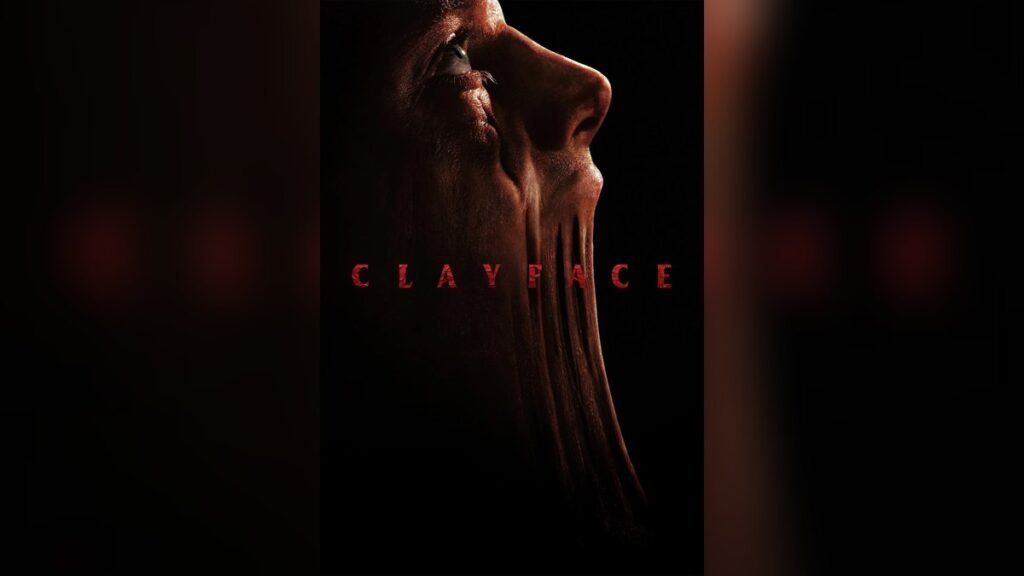
When Clayface opened on October 23, 2026, nobody was predicting a box-office fairy tale. This was an R-rated body-horror film about a second-tier Batman villain, made without Batman and starring an actor most audiences had never heard of. Four weeks later, the Clayface box office story has become the most surprising success of DC Studios’ year: a $44 million horror film that is about to outgross a $186 million superhero tentpole.
As of November 17, 2026, Clayface is closing in on Supergirl at the worldwide box office, according to trade trackers. The horror film reached $121.3 million worldwide after its fourth weekend — about $5 million behind Supergirl’s $126.4 million — and analysts expect it to pass the summer tentpole next weekend and finish between $130 million and $150 million. For a film that cost roughly a quarter of what Supergirl cost, that is a complete reframing of what a DC movie needs to be in order to make money.
Here is the full Clayface box office collection breakdown: the opening weekend, the week-by-week run, the budget-versus-profit maths, and what it all means for DC Studios as new leadership takes over.
Clayface Box Office Collection So Far
Clayface opened at No. 1 in North America with $24 million from 3,458 cinemas over the October 23-25 weekend, according to Box Office Mojo. The worldwide opening came to $43 million, with $19 million from 76 international markets, Deadline reported. That was a little below the $45 million worldwide opening the studio had hoped for, but for a film with a net production cost of $44 million before marketing, it was a strong start. The film also earned an A- CinemaScore, a rare grade for a horror release, which suggested audiences liked it more than its modest opening suggested.
The second weekend behaved like a normal horror film: $10.4 million domestically over Halloween, down 57 percent, taking the North American total to $44.1 million and the worldwide total to roughly $83 million after ten days, TheWrap reported. Horror films almost always fall hard in week two. What mattered was staying power, and Clayface held up better than most of its genre. By November 8 it had reached $56.6 million in North America and $52.4 million overseas, crossing $109 million worldwide and passing the $100 million mark in 16 days.
The fourth weekend, November 13-15, brought in $3.7 million domestically, a 45 percent fall, even as Warner Bros. pulled the film from 662 cinemas. That took the domestic total to $63.6 million and the international total to $57.7 million across 76 markets, for a worldwide total of $121.3 million. Trackers expect it to pass Supergirl’s entire worldwide run next weekend. Analyst Luiz Fernando expects a final total between $130 million and $150 million, while Exhibitor Relations analyst Jeff Bock earlier projected $115 million to $125 million. Either way, the film is heading for roughly three times its production budget.
| Clayface box office | Gross | Notes |
|---|---|---|
| Opening weekend (North America) | $24.0 million | No. 1, from 3,458 cinemas |
| Opening weekend (worldwide) | $43.0 million | $19 million from 76 overseas markets |
| Second weekend (North America) | $10.4 million | Down 57 percent, Halloween weekend |
| Fourth weekend (North America) | $3.7 million | Down 45 percent, 662 fewer cinemas |
| North America total (Nov 16) | $63.6 million | After 24 days in cinemas |
| International total (Nov 16) | $57.7 million | Across 76 markets |
| Worldwide total (Nov 16) | $121.3 million | About $5M behind Supergirl’s $126.4M; expected to pass it next weekend |
| Production budget | $44 million | Net cost, before marketing |
| Projected final worldwide total | $130-150 million | Industry tracker estimates |
The $44 Million Budget That Changed the Maths
The most important number in the Clayface box office story is not the gross. It is the cost. Clayface was produced for a net $44 million, according to Variety, with some trackers such as The Numbers citing a figure closer to $40 million. Either way, it is one of the cheapest comic-book films a major studio has released in years, made for roughly a fifth of what Superman cost and a quarter of Supergirl’s budget. Director James Watkins, best known for the thrillers Eden Lake and Speak No Evil, shot a contained horror film from a screenplay by Mike Flanagan and Hossein Amini, built around practical effects and one actor’s transformation rather than city-levelling spectacle.
That low budget changes the break-even maths completely. The rough industry rule is that a film needs about two and a half times its production budget worldwide to cover the cinemas’ share and the marketing spend. On that basis, Clayface needed roughly $100-110 million to break even in cinemas, a line it crossed in its third weekend. Whether it has made a clear theatrical profit is harder to say, because Warner Bros. has never disclosed the marketing budget: Variety has suggested it will only fully break even once streaming, digital and TV revenue is counted, while other trackers believe it has already cleared the line. Either way, its low cost gave it a realistic path to profit that a $186 million film never had.
The contrast with DC’s recent history is stark. The old DC Extended Universe era produced a string of expensive disappointments, with even well-liked films struggling against their own budgets. Clayface proves the opposite approach can work: spend modestly, pick a clear genre, and let a $121 million gross be a triumph instead of a disaster.
Clayface vs Supergirl: The Upset Taking Shape
The comparison that has defined this box-office run is the one with Supergirl, the second film in James Gunn’s DC Universe. Released on June 26, 2026, Supergirl starred Milly Alcock as Kara Zor-El, was directed by Craig Gillespie from a script by Ana Nogueira, and adapted the acclaimed Supergirl: Woman of Tomorrow comic. It opened to $37.1 million in North America and $62.6 million worldwide, then collapsed, finishing at $126.4 million worldwide ($72.4 million domestic, $54 million international). Against a $170-186 million production budget, plus marketing Forbes put at roughly $120 million, it needed north of $300 million to break even. Deadline estimated the loss at around $125 million, one of the worst results in DC history.
Clayface took longer to reach $100 million than Supergirl did, needing 16 days against the tentpole’s 10, but it got there on a fraction of the spend and kept going. By its fourth weekend it had already beaten Supergirl overseas, and trackers expect it to pass the summer film’s global total next weekend, despite starting its run $20 million behind. The symbolism is hard to miss: an R-rated horror film about a villain most casual fans could not name is about to out-earn a PG-13 tentpole built around one of DC’s most famous heroes.
The reception gap helps explain it. Supergirl earned a 52 percent score on Rotten Tomatoes and mixed word of mouth, while Clayface sits at 78 percent Certified Fresh with a 94 percent audience score, and its A- CinemaScore put it in a small club of horror films audiences actively recommend. Critics praised Tom Rhys Harries’ performance as Matt Hagen, the Gotham-born actor whose disfigurement and experimental treatment turn him into living clay, and the film’s commitment to genuine body horror rather than superhero business as usual. Good word of mouth is what turns a $24 million opening into a $130 million-plus run.
What the Run Means for DC Studios
Clayface is the third film in the new DC Universe, and its success arrives at a moment of real change. Superman (July 2025) grossed $616.8 million worldwide on a $225 million budget, the highest-grossing superhero film of that year, and generated more than $100 million in profit once merchandise, rentals and licensing were counted, according to Bloomberg. Supergirl then lost much of that goodwill and money. Clayface steadies the ship, showing the DC Universe can work at a smaller scale and in a different genre.
The timing matters because the leadership is changing. Skydance completed its $81 billion acquisition of Warner Bros. Discovery on October 6, 2026, and James Gunn and Peter Safran, the co-chiefs who built the DC Universe, are stepping down on December 1, with Marvel veteran Jeremy Latcham taking over DC Studios. The new regime inherits a slate whose next big test is Man of Tomorrow in 2027, which will feature both Superman and Supergirl. The Clayface result hands that regime a useful template: lower budgets, distinct genres, and character-first stories that do not need half a billion dollars to justify themselves.
It also reframes the DC back catalogue. Clayface has passed the domestic lifetime total of 1983’s Superman III, and its projected finish would put it ahead of Blue Beetle ($130.7 million) and close to Shazam: Fury of the Gods ($134 million), two far costlier films. Whether it earns a sequel will depend on the final total and its digital and streaming performance, analysts say. But a horror film that triples its budget rarely stays a one-off.

Where Clayface Goes From Here
The theatrical run is winding down. After the 662-cinema cut, Clayface finished 10th in North America over the November 13-15 weekend, the weekend Ebenezer opened at No. 1. Domestic trackers expect a $68-70 million North American finish, with the worldwide total settling between $130 million and $150 million.
The next chapter is digital and streaming. Warner Bros. has not announced a date, but the studio’s recent pattern points the way: Supergirl arrived on digital 32 days after its cinema release and on HBO Max 76 days after, and early January 2027 is the expected window for Clayface on HBO Max. Horror films tend to find a second audience at home, and a strong streaming debut would strengthen the case for more small-scale DC genre films. For now, though, the cinema numbers tell the story on their own. A $44 million horror film about a Batman villain with no Batman in it is about to overtake a $186 million superhero epic, and nobody in Hollywood will be ignoring that result.
For more on the films sharing the box-office chart with Clayface, read our coverage of Ebenezer’s No. 1 opening weekend and the Godzilla Minus Zero box-office record. And for the biggest release still to come this year, see our guide to Dune: Part Three, which arrives alongside Avengers: Doomsday on December 18.
Frequently Asked Questions
How much has Clayface made at the box office?
As of November 16, 2026, Clayface has grossed $121.3 million worldwide, made up of $63.6 million in North America and $57.7 million from international markets. Trade trackers expect it to pass Supergirl’s worldwide total of $126.4 million next weekend, and analysts expect it to finish between $130 million and $150 million worldwide.
What was the Clayface budget?
Clayface cost a net $44 million to produce, according to Variety, before marketing costs, which Warner Bros. has not disclosed. Some trackers, including The Numbers, cite a production budget closer to $40 million. Either figure makes it one of the cheapest comic-book films released by a major studio in years.
Has Clayface made a profit?
Probably, but the exact picture depends on the undisclosed marketing spend. It passed the estimated $100-110 million theatrical break-even point in its third weekend and should finish at roughly three times its production budget. Some reports say it will only fully break even once streaming, digital and TV revenue is counted; others believe it has already cleared the line in cinemas alone.
How does Clayface compare to Supergirl at the box office?
Clayface is about to outgross Supergirl worldwide despite costing about a quarter as much. Supergirl finished with $126.4 million worldwide on a $170-186 million budget, an estimated $125 million loss, while Clayface is expected to pass that total next weekend on a $44 million budget. Clayface also earned far better reviews, with a 78 percent Rotten Tomatoes score against Supergirl’s 52 percent.
When will Clayface be on streaming?
Warner Bros. has not announced a streaming date. Based on the studio’s recent pattern, with Supergirl reaching HBO Max 76 days after its cinema release, Clayface is expected to arrive on HBO Max in early January 2027, with a digital rental release likely arriving several weeks earlier.