The Cat in the Hat Box Office: $20M Opening Weekend
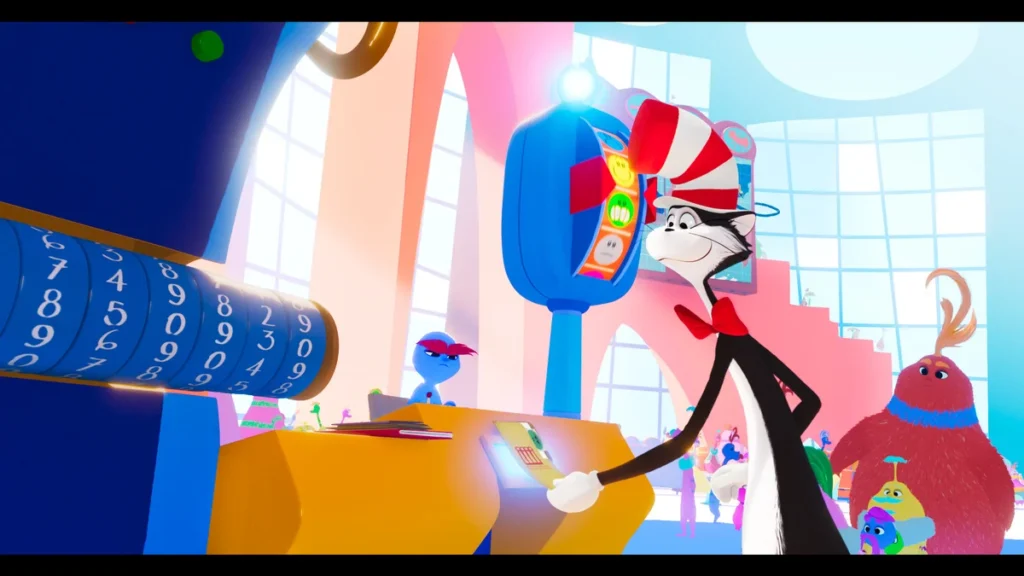
The Cat in the Hat is officially out of the bag — and out in theatres. Warner Bros.’ animated take on Dr. Seuss’s most famous troublemaker opened in the United States on Friday, 6 November 2026, and its first weekend at the box office tells a story with two sides. On one hand, the film put up a solid family-film debut, finishing second in a competitive weekend. On the other, it landed a long way short of the numbers the industry had been predicting for it. Here is everything the opening weekend actually tells us — the numbers, the gap to expectations, and what it all means for the Cat’s run at the box office.
For a film built around one of the most recognisable characters in children’s literature, the opening weekend was always going to be watched closely. Turning the Cat into a big-screen animated feature, with Bill Hader voicing the role, was Warner Bros.’ big family bet for November 2026 — and the first three days tell a more complicated story than a simple hit or miss.
The Cat in the Hat Opening Weekend Box Office Numbers
The Cat in the Hat earned $20,002,705 in its opening weekend (6–8 November 2026) at the US box office, according to Box Office Mojo’s weekend figures. The film played in 4,003 theatres and finished at #2 for the weekend. That works out to a per-theatre average of roughly $4,997 — a respectable figure for a family animated release, and a sign that audiences did turn out for the Cat, even if not in the numbers the pre-release forecasts had suggested.
| The Cat in the Hat — Opening Weekend at a Glance | Figure |
|---|---|
| Opening weekend gross (6–8 Nov 2026) | $20,002,705 |
| Weekend rank | #2 |
| Theatres | 4,003 |
| Per-theatre average | ~$4,997 |
| Pre-release tracking (Boxoffice Pro) | $35–45 million |
| Shortfall vs tracking | ~$15M below the low end; ~$25M below the high end |
| #1 film that weekend | Godzilla Minus Zero — $30,612,674 |
| Gap to #1 | ~$10.6 million |
The $20 million opening puts the film in the middle of the pack for major animated releases — not a flop, but not the breakout the tracking had pointed to either. A 4,003-theatre launch is a wide release by any measure, and a per-theatre average of just under $5,000 shows the film found its audience in most markets. What it did not do is overperform: far fewer people showed up in week one than the forecasts assumed.

$20 Million Against $35–45 Million Tracking: The Gap Explained
The most striking number attached to The Cat in the Hat is not the $20 million it made — it is the $35–45 million it was expected to make. Boxoffice Pro had the film tracked in that range ahead of release, which means the actual opening came in at roughly 57% of the low end of tracking and just 44% of the high end. A gap of that size is unusual for a major studio family film, and it is the part of the story that will be talked about the most in the days ahead.
Tracking is not a promise — it is a forecast built from awareness, interest and advance ticket sales — but a miss of $15–25 million still matters. It suggests that while the film’s marketing reached plenty of people, the urgency to see it on opening weekend was lower than expected. Family audiences are often the slowest to rush out on opening weekend, and animated films in particular can build over several weeks rather than exploding out of the gate. That is the optimistic reading, and it is one the film’s supporters will be leaning on.
The Weekend’s Other Big Story: Godzilla Minus Zero
The Cat in the Hat did not open in a vacuum — it opened in the same weekend as a genuine box office phenomenon. Godzilla Minus Zero took the #1 spot with $30,612,674, a record-breaking opening for a live-action foreign-language film. We covered that weekend in detail in our Godzilla Minus Zero box office report, and the two films together tell the full story of the 6–8 November weekend: a monster-sized #1 and a family-friendly #2, with the top two films combining for roughly $50.6 million between them.
The gap between the two films — about $10.6 million — is almost as interesting as the gap between the Cat and its own tracking. Godzilla Minus Zero was the event film of the weekend, drawing the kind of urgency that family films rarely match on opening weekend. The Cat, by contrast, played the long game: a broad, four-quadrant animated release aimed at parents and children, the kind of film that does its best business on Saturday and Sunday afternoons rather than in Thursday-night preview screenings.
Being #2 to a record-breaker is no disgrace. Plenty of successful family films have opened second and gone on to long, profitable runs. The question for the Cat is whether it can do the same — and whether the audiences who skipped opening weekend will show up in the weeks that follow, once the film has had time to build the word of mouth that family releases depend on.
Bill Hader Voices the Cat
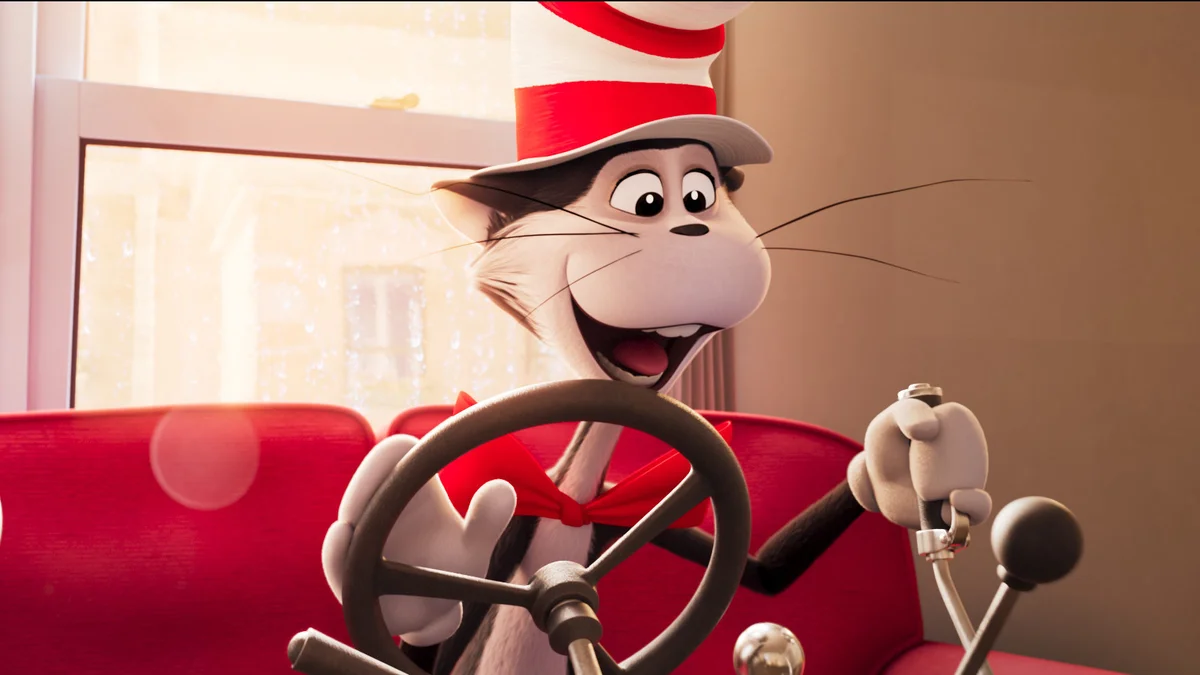
At the centre of the film is a casting choice that made headlines from the moment it was announced: Bill Hader voices the Cat. Hader, one of the most versatile comic performers working today, brings a very particular energy to the role — the fast-talking, slightly unhinged charm that has defined his best work. The Cat is a character who lives or dies on the voice behind him, and Hader’s performance is the film’s biggest talking point among the adults in the audience.
The casting matters because the Cat is one of the most famous figures in children’s literature, and every generation has its own version of him. Warner Bros. clearly bet that Hader’s take would define the character for a new generation of young viewers — and whether that bet pays off at the box office will be judged over the coming weeks.
The First Animated Dr. Seuss Film Since The Grinch
The Cat in the Hat also carries a piece of history with it: it is the first animated Dr. Seuss feature since The Grinch in 2018. That eight-year gap is significant. Dr. Seuss’s books are among the most adapted works in family entertainment, but the animated feature pipeline has moved slowly since The Grinch, and the Cat’s return to the big screen in animated form has been a long time coming.
The gap matters because it frames what Warner Bros. is trying to do: this is not just a one-off adaptation, but an attempt to build a new home for Seuss on screen, with the Cat leading it. A strong opening would have made that case easily; a $20 million opening makes it harder, but not impossible — family franchises are built over years, not weekends.
What Happens Next for The Cat in the Hat
For a family animated film, the second weekend is often more revealing than the first. Opening weekends are driven by marketing and anticipation; second weekends are driven by whether the people who saw the film liked it enough to tell their friends. If The Cat in the Hat holds well in its second weekend, the tracking miss will start to look like a forecasting error rather than a verdict on the film. If it drops sharply, the conversation will shift to damage control.
The calendar is on the film’s side in one important respect: November is family-movie season, and the weeks ahead are the time of year when parents are most actively looking for something to take the kids to. The film’s challenge is to convert that seasonal demand into ticket sales — to be the default choice for a family afternoon out, even after the opening-weekend headlines have moved on. That is a winnable fight, and it is one that animated films have won many times before from exactly this kind of start.
There is also the simple fact that $20 million is real money. It is not the $35–45 million that was forecast, but it is a foundation — and the film’s fate will now be decided by the audiences who have not yet seen it.
The Cat in the Hat: What to Know Before You Watch
If you have not seen the film yet, here is the short version. The Cat in the Hat is an animated family film from Warner Bros., based on Dr. Seuss’s classic character. Bill Hader voices the Cat. It opened in US theatres on Friday, 6 November 2026, in 4,003 theatres, and it is playing now. It is the first animated Dr. Seuss feature since The Grinch (2018), and it finished its opening weekend at #2 with $20,002,705, behind Godzilla Minus Zero’s $30.6 million.
For the full picture of the weekend it opened in — including the record Godzilla Minus Zero set at #1 — read our Godzilla Minus Zero box office report. And for more of our box office coverage, see our Ramayana box office day 5 report and our Hunger Games: Sunrise on the Reaping guide.
The Cat in the Hat 2026 — FAQs
When did The Cat in the Hat (2026) release?
The Cat in the Hat opened in US theatres on Friday, 6 November 2026, released by Warner Bros. It is already out — this is not an upcoming release, and the film is playing in theatres now.
How much did The Cat in the Hat make in its opening weekend?
The film earned $20,002,705 in its opening weekend (6–8 November 2026) in the United States, playing in 4,003 theatres. That was good for a #2 finish for the weekend, behind Godzilla Minus Zero.
Who voices the Cat in The Cat in the Hat (2026)?
Bill Hader voices the Cat in the Hat in Warner Bros.’ animated film. His performance as the mischievous, fast-talking Cat is the film’s most talked-about element.
Why is The Cat in the Hat’s $20 million opening seen as disappointing?
Because pre-release tracking from Boxoffice Pro had the film opening at $35–45 million. The actual $20 million opening came in roughly $15 million below the low end of that range and $25 million below the high end — about 44–57% of what was forecast.
What film beat The Cat in the Hat at the box office in its opening weekend?
Godzilla Minus Zero took the #1 spot that weekend with $30,612,674 — a record opening for a live-action foreign-language film. Read our full report on that weekend here: Godzilla Minus Zero box office record opening.
The Cat in the Hat may not have matched its tracking, but its story at the box office is far from over. A $20 million opening, a #2 finish and a beloved character give the film something real to build on — and in the family market, the weeks after opening weekend are where the real race is run.